Route pacing comes first
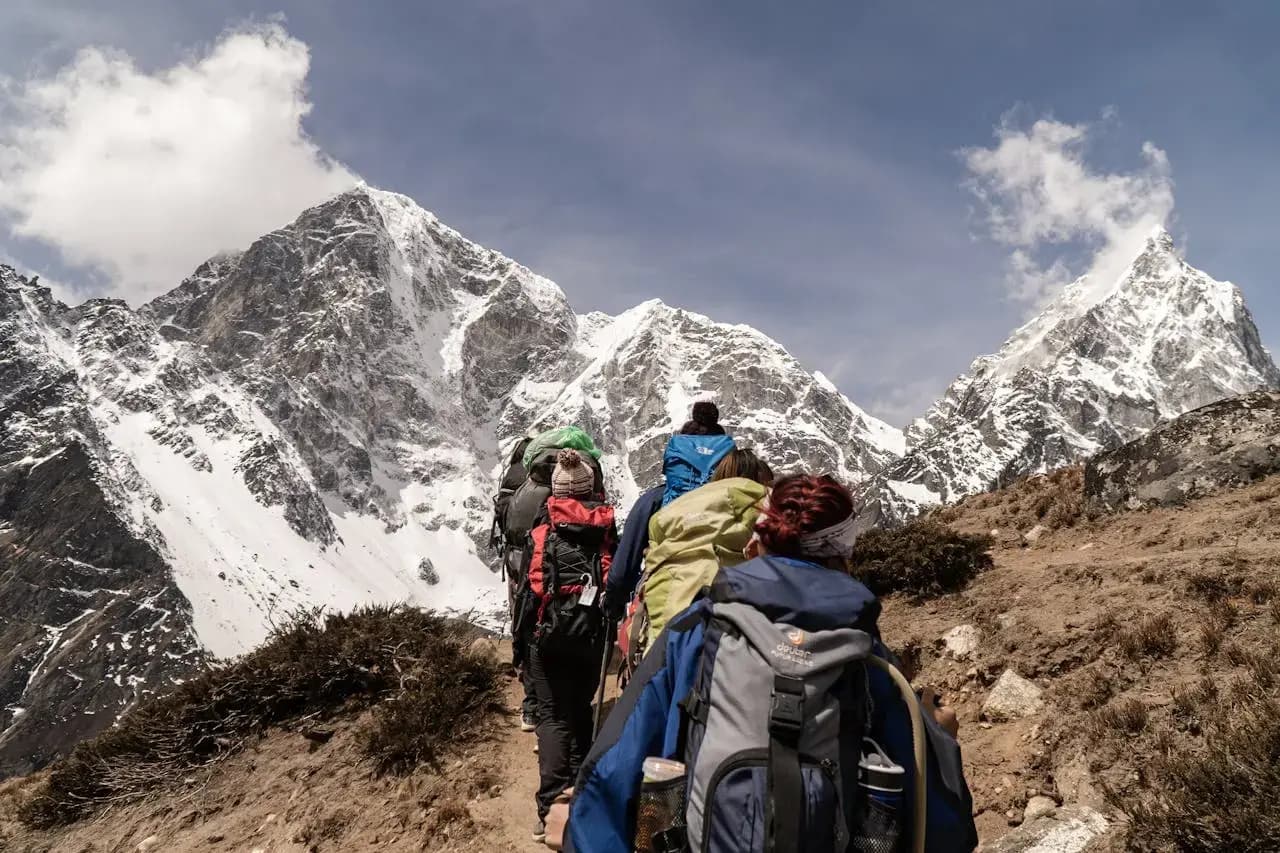
A route that looks impressive on paper can still feel exhausting on the road. Practical planning means matching sightseeing ambition with actual mountain travel hours, overnight placement, meal stops, and traveler energy.
About The Agency
The strongest tourism pages are not only inspiring. They also prove experience, reduce uncertainty, and show that the business understands how the route behaves in practice.
Why This Matters
Search engines reward pages that clearly match intent, and travel buyers reward businesses that reduce uncertainty. That is why the site now presents destination pages, package pages, and transport pages as separate assets with clearer semantic structure. It helps users understand what they can book and it helps Google understand which page should rank for which kind of query.
In practical terms, this agency focuses on route pacing, vehicle selection, realistic day planning, and clear communication. Those are the details that keep a family trip comfortable, a honeymoon route scenic instead of rushed, and a longer northern package operationally clean.
Start planningOperational Focus
Travel buyers often judge an agency by scenic photos first, but real satisfaction usually depends on less visible decisions. These planning disciplines are what keep a northern route comfortable, believable, and easier to execute once the trip starts.
A route that looks impressive on paper can still feel exhausting on the road. Practical planning means matching sightseeing ambition with actual mountain travel hours, overnight placement, meal stops, and traveler energy.
Families, honeymoon travelers, photography groups, and mixed-age private parties rarely need the same transport setup. Good planning means choosing cabin size, luggage space, and road-fit before the itinerary is treated as finished.
Trust usually improves when the traveler understands what the route will feel like, not just where it goes. That is why the strongest trip conversations focus on timing, comfort, stop density, and expectations instead of generic promo promises.
Planning Model
Clear process copy improves both conversion and trust. It also gives the About page enough substance to support branded and commercial searches without feeling thin.
01
We narrow the destination, number of days, group size, vehicle fit, and pace so the itinerary starts from realistic travel conditions.
02
The route is planned around travel hours, scenery priorities, stop timing, and the balance between comfort and coverage.
03
Transport, hotel guidance, pickup planning, and travel notes are aligned so the tour is easier to execute on the road.